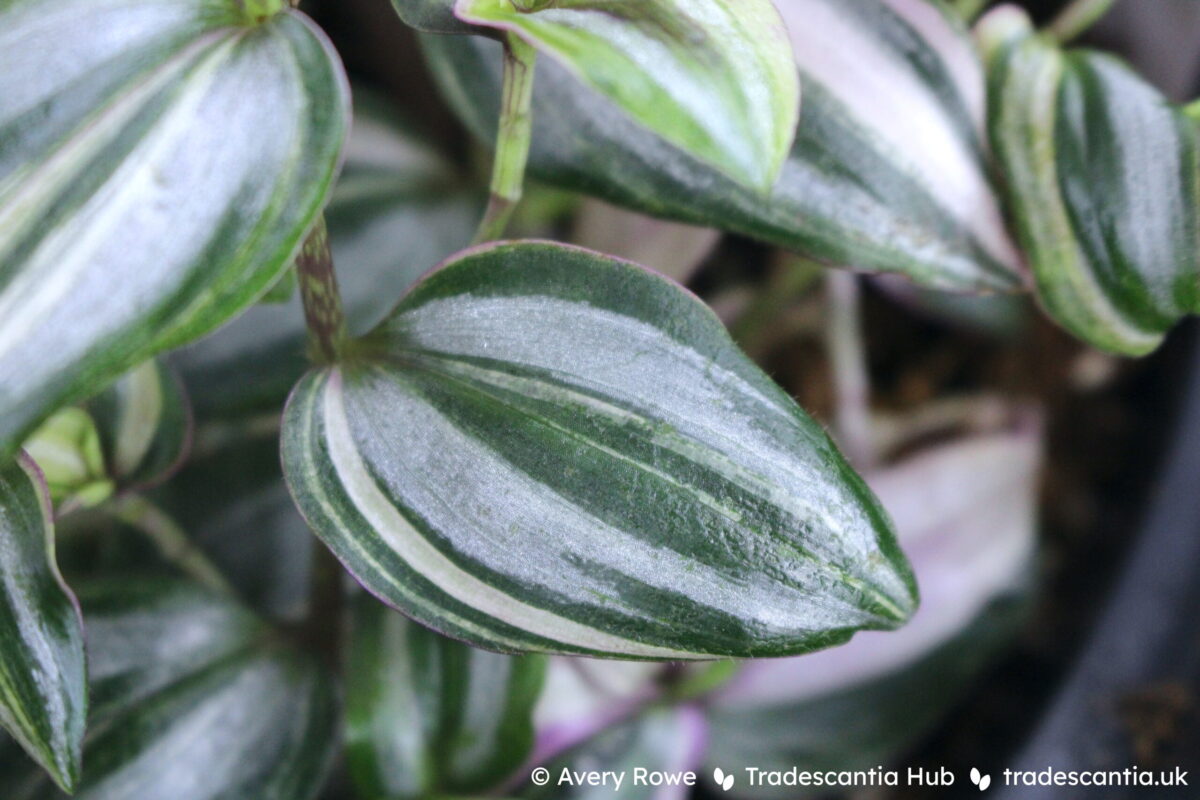
Tradescantias are semi-succulents, which means they’re much more tolerant of drought than a lot of plants. It also means that they’re a lot less obvious about it when they eventually do get thirsty. Growing tradescantias as houseplants is very different from having “drama queens” like coleus, nerve plants, and polka dot plants.
As if we didn’t already have enough confusion with ‘Purple Something’ cultivars, there are two different Commelinaceae plants which are both known as ‘Purple Plush’. Here are three tips for figuring out which one you’re looking at.
They might be the group admins or they might be well-regarded longstanding members, but almost any niche topic or hobby group online will have its handful of experts. But groups like this can often develop into something more sinister: the cult of expert personality.
This article is a plain english rewrite of the ninth edition of the International Code of Nomenclature for Cultivated Plants (ICNCP), which is the set of rules about how cultivated plants are named. Because it’s simplified, some information has been left out. This version is aimed at people who are naming new plants, or who […]