
The naming rules are complex and detailed, but they don’t cover every possible eventuality. I had to devise my own approach to naming plants with unknown origins.
 Tradescantia Hub
 The naming rules are complex and detailed, but they don’t cover every possible eventuality. I had to devise my own approach to naming plants with unknown origins.

As if we didn’t already have enough confusion with ‘Purple Something’ cultivars, there are two different Commelinaceae plants which are both known as ‘Purple Plush’. Here are three tips for figuring out which one you’re looking at.

I’m now the ICRA for all Commelinaceae. Which means I’ll be able to officially register cultivars in other genera, and I’ll start expanding the online checklist to include the rest of the family.
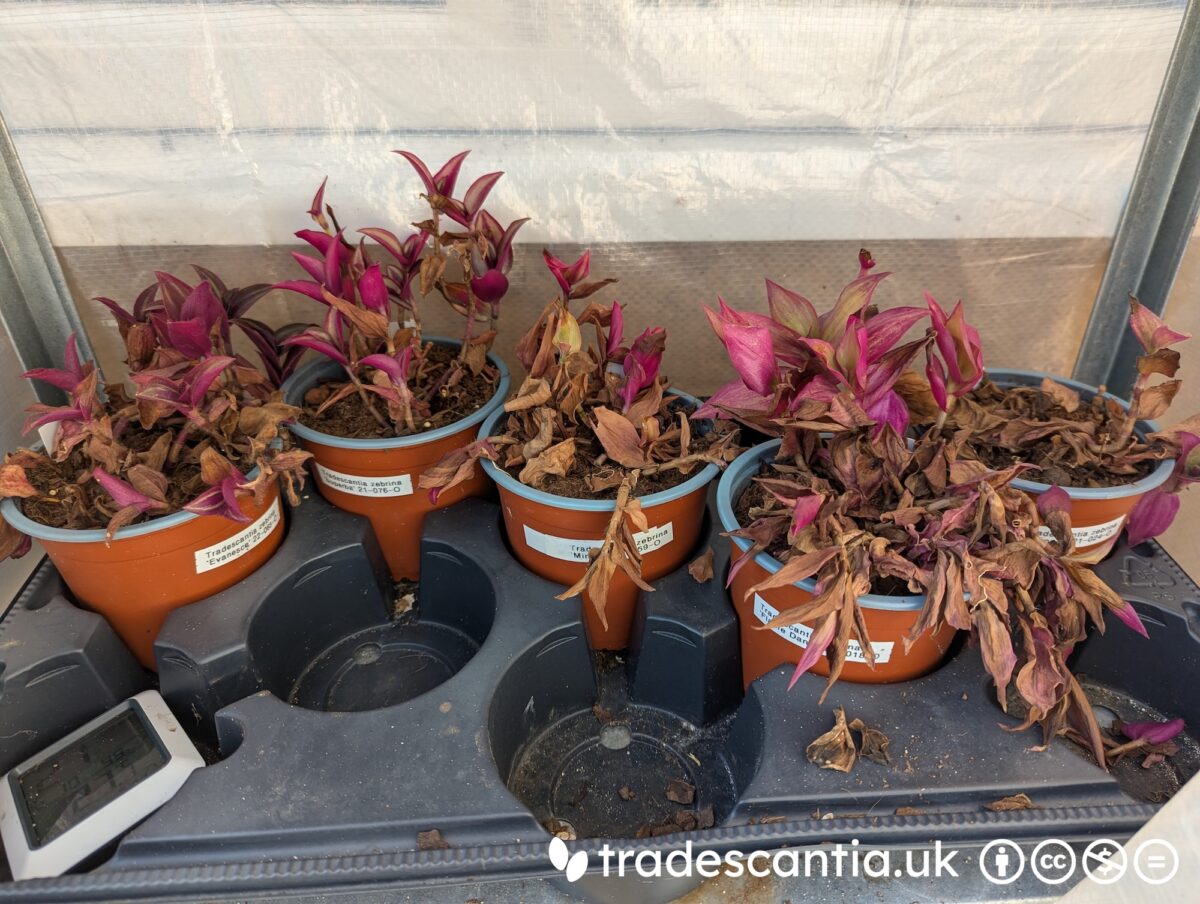
I’ve been experimenting with keeping tropical tradescantias alive over winter, here in rainy Wales. They’re hardier than many people think, as long as they’re kept dry.

Uncovering the Garden Professors’ cult of expert personality, as they go to extraordinary lengths to avoid admitting mistakes or learning anything.
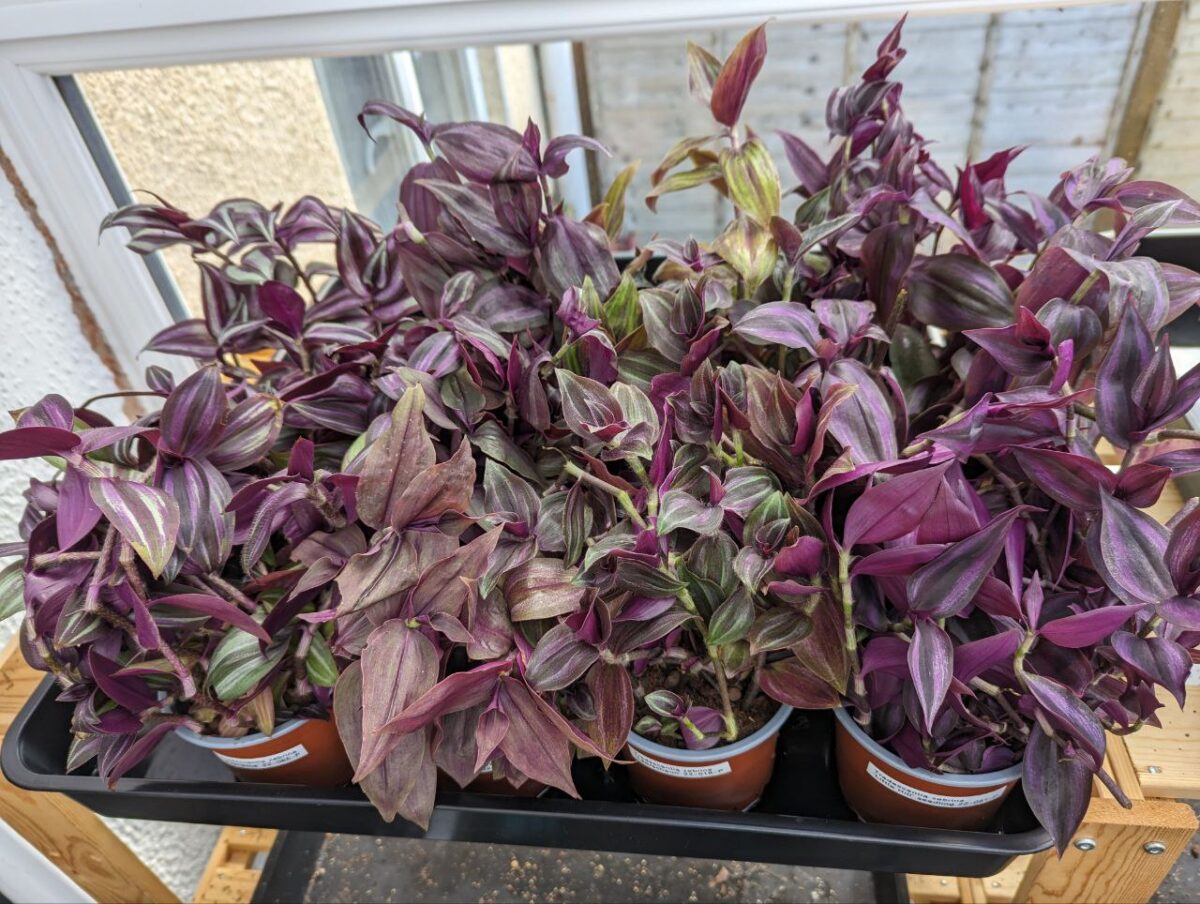
They might be the group admins or they might be well-regarded longstanding members, but almost any niche topic or hobby group online will have its handful of experts. But groups like this can often develop into something more sinister: the cult of expert personality.
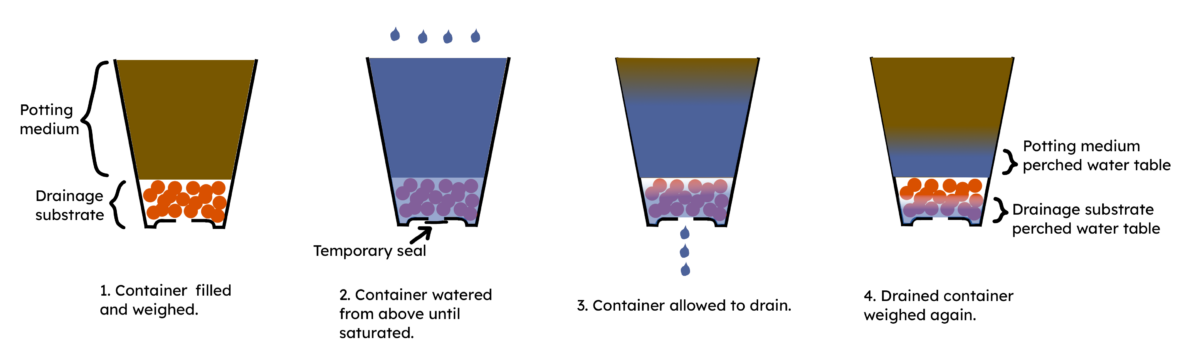
My research study shows that drainage layers really do reduce the water retention of plant pots, contrary to popular mythbusting belief.
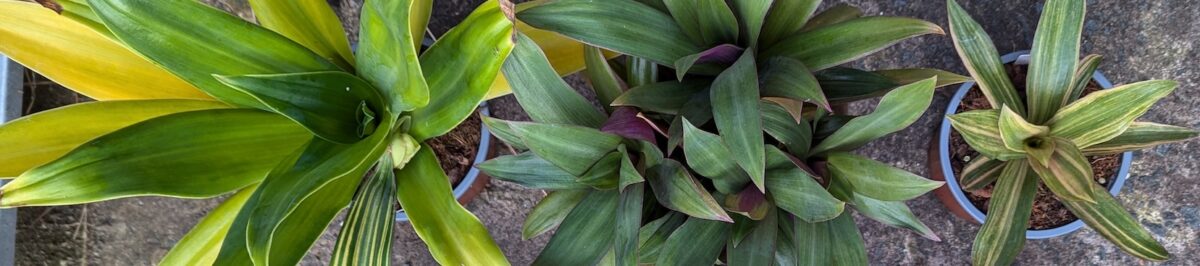
Tradescantias are often included on “toxic” plant lists, but these lists can be unreliable and inaccurate. In reality tradescantias are not severely dangerous to humans or animals.
Correctly identifying an unknown plant is a difficult task. Because of that, people often hope for easier ways to identify their plants. But there are no shortcuts to this process. The ID charts and AI apps people often turn to are unreliable and lead to misidentifications and misplaced confidence.

On the history and implications of the most controversial common name for tradescantia.